
Waverly Hills Sanatorium: 7 Dark Stories Behind the Haunted Hospital
The Hospital Behind the Haunted Legends
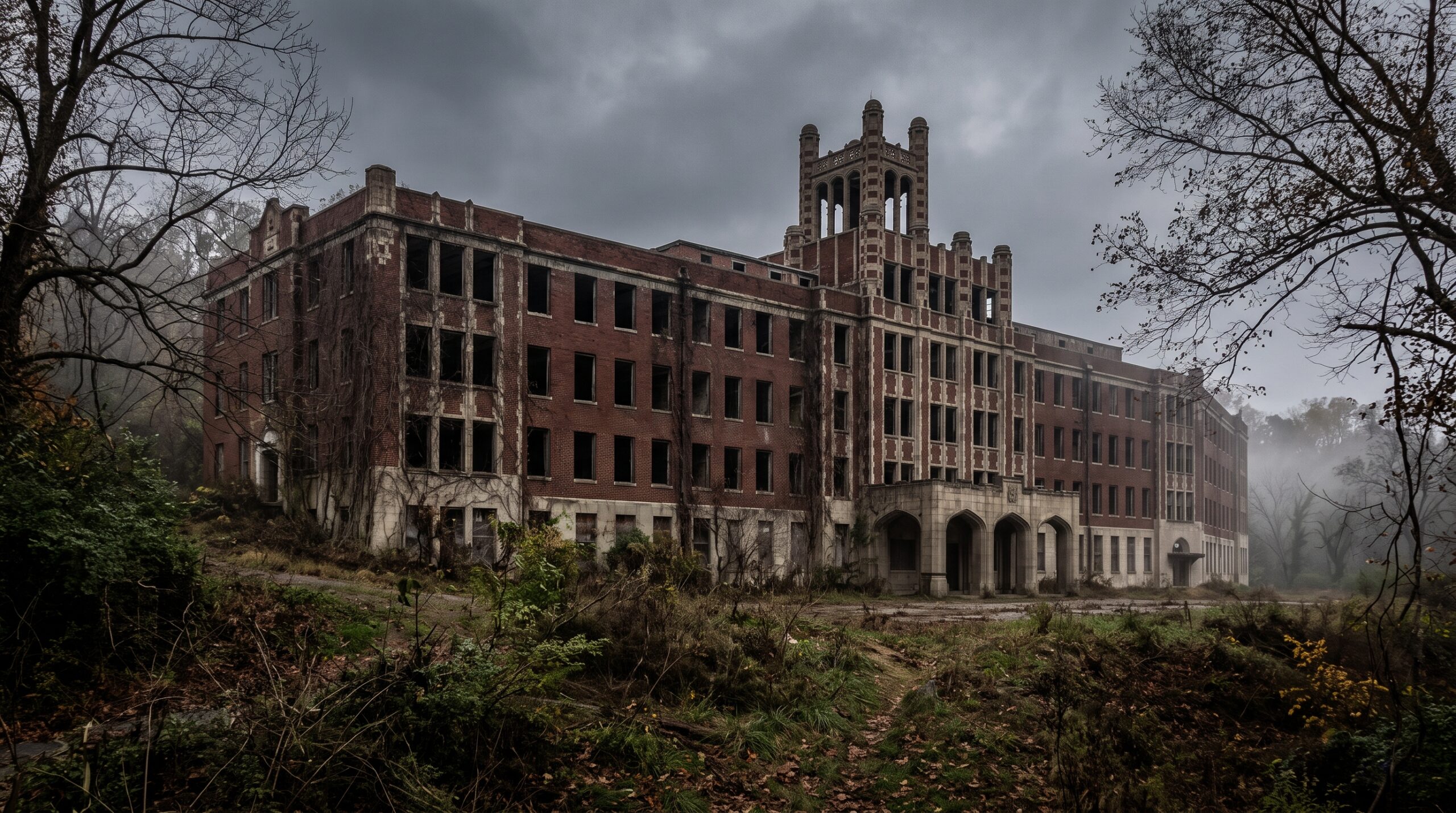
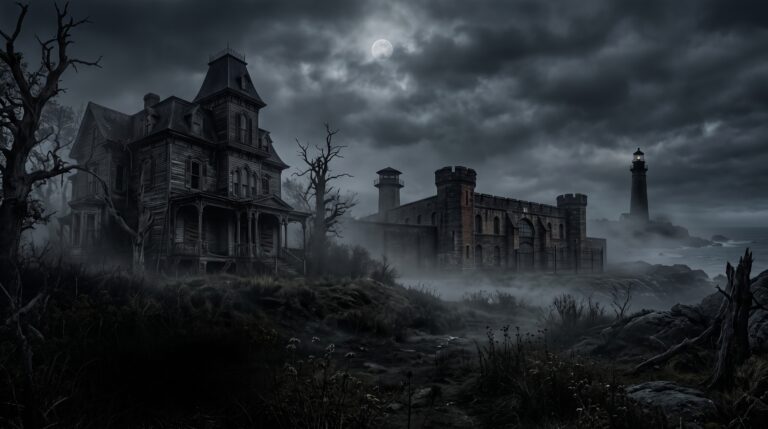
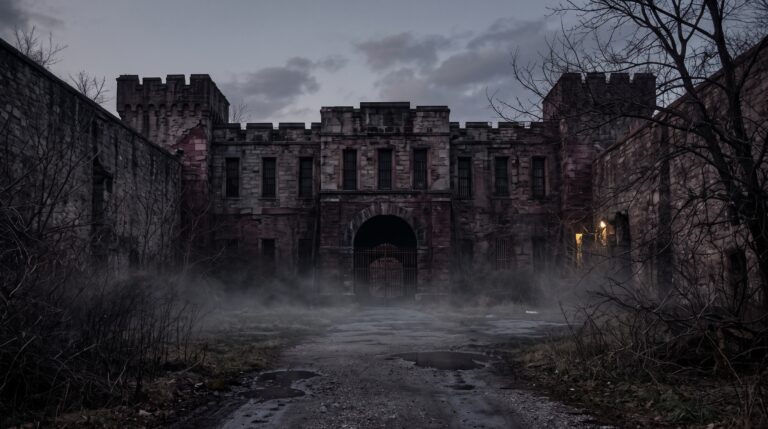
Perched on a hill overlooking Louisville, Kentucky, Waverly Hills Sanatorium is one of America’s most famous locations associated with paranormal legends. Its imposing brick exterior, long corridors, and abandoned-looking rooms have inspired generations of ghost stories.
The sanatorium opened in the early twentieth century to care for patients with tuberculosis, a serious infectious disease that claimed many lives before effective treatments became widely available. Its real history is closely connected to a frightening period in medicine, when isolation and long-term institutional care were common.
Today, stories about shadowy figures, unexplained sounds, and mysterious encounters have made Waverly Hills a popular destination for paranormal enthusiasts. But which details come from documented history, and which belong to folklore?
Here are seven dark stories behind the haunted hospital—and the history that makes them so compelling.
1. The Tragic History of Tuberculosis
To understand the reputation of Waverly Hills, it helps to begin with tuberculosis.
Before effective antibiotic treatment became available, tuberculosis was a major public health threat. Patients often required extended periods of isolation and specialized care. Waverly Hills opened in 1910 as a tuberculosis hospital and later moved into a larger building designed to accommodate the growing demand for treatment.
The disease’s devastating impact created an atmosphere of fear and uncertainty for patients and their families. Although popular accounts sometimes exaggerate the number of deaths associated with the sanatorium, its history reflects the genuine suffering caused by tuberculosis during that era.
For many visitors, this painful history is more haunting than any supernatural story.
2. The Ghostly Figure in the Long Hallway
One of the most frequently repeated types of stories associated with Waverly Hills involves a mysterious figure appearing in its long corridors.
Paranormal enthusiasts have described seeing shadowy silhouettes or human-shaped forms in dimly lit areas. Some accounts suggest that the figures disappear when approached or vanish around corners.
Such reports have contributed to the building’s reputation as a haunted hospital. However, these experiences have not established that ghosts are present. Low light, reflections, fatigue, and expectation can all influence how people interpret unfamiliar surroundings.
Whether visitors see something supernatural or simply encounter the unsettling atmosphere of an old hospital, the hallway legends remain a central part of Waverly Hills folklore.
3. The Mystery of the Body Chute
Perhaps the most famous feature associated with Waverly Hills is the tunnel commonly called the body chute.
The tunnel is widely described in paranormal stories as a route used to transport deceased patients away from the main building, supposedly concealing the scale of the hospital’s deaths from those outside.
Historical accounts require more care than the legend often receives. The tunnel is associated with the hospital’s service infrastructure, and popular explanations of its precise purpose and use are not always supported by detailed documentary evidence.
The name itself has become a powerful part of the sanatorium’s modern reputation. For ghost hunters, it represents one of the property’s most disturbing stories. For historians, it is a reminder to distinguish established facts from later retellings.
4. Mysterious Sounds in the Empty Rooms
Visitors and paranormal investigators have reported hearing unexplained footsteps, whispers, knocks, and other unusual sounds inside the building.
In ghost stories, these noises are sometimes interpreted as the voices of former patients or the lingering presence of people who died there.
Yet sound behaves unpredictably in large, aging structures. Echoes can travel along corridors, and wind, building materials, and distant activity can create noises that are difficult to identify immediately.
Without independent verification, reports of unexplained sounds remain personal experiences rather than proof of paranormal activity.
Even so, the combination of silence, echoing rooms, and the building’s history can make an ordinary sound feel unexpectedly frightening.
5. The Legend of the Ghostly Nurse
Another popular story describes a nurse-like figure appearing inside Waverly Hills.
Versions of the legend vary, with some accounts describing a woman in a white uniform seen near the corridors or windows. In certain retellings, she disappears before anyone can get close enough to identify her.
These stories have helped establish the image of Waverly Hills as a place where the past seems to linger. However, there is no conclusive historical evidence identifying a specific ghostly nurse or confirming the supernatural claims attached to the tale.
The legend also reflects the real importance of nurses and other medical workers who cared for tuberculosis patients under difficult conditions.
Behind the ghost story lies a history of demanding medical work, isolation, and human vulnerability.
6. The Dark Legend of Room 502
Room 502 is often presented in paranormal accounts as one of the sanatorium’s most frightening locations.
Popular versions of the story connect the room with the death of a nurse and describe sightings of a mysterious woman or other disturbing events. Details vary considerably between retellings, making it difficult to separate the original claims from stories that developed later.
These accounts have become a major part of Waverly Hills folklore, particularly among ghost hunters and fans of haunted locations.
The stories should not be treated as verified records of a supernatural event. Nevertheless, the room’s reputation demonstrates how a particular location within a historic building can become the focus of an enduring legend.
For visitors interested in the paranormal, Room 502 remains one of the names most closely associated with the sanatorium’s dark reputation.
7. The Basement and the Stories of Unseen Visitors
The lower levels and service areas of Waverly Hills have also inspired stories about unexplained movements, strange sensations, and shadowy visitors.
Some paranormal accounts describe feeling watched or sensing a presence nearby. Others interpret unusual photographs or recordings as evidence of something beyond ordinary explanation.
However, photographs, electronic recordings, and subjective sensations can be affected by environmental conditions, equipment limitations, and human perception. No widely accepted scientific evidence establishes that these experiences demonstrate supernatural activity at Waverly Hills.
The legends continue because the setting is naturally evocative: an old medical institution, a complicated history, and a building filled with spaces that few people would encounter in everyday life.
Why Is Waverly Hills Sanatorium Considered Haunted?
Waverly Hills became associated with haunting stories through a combination of historical tragedy, unusual architecture, paranormal investigations, and popular media.
Its tuberculosis-era history provides a deeply emotional backdrop. Long corridors and institutional rooms create an atmosphere that can feel unsettling even during daylight. Stories about Room 502, the body chute, and mysterious figures have further strengthened its reputation.
But a location’s reputation is not the same as scientific proof. There is no conclusive evidence that spirits haunt the sanatorium, and many specific stories are difficult to verify independently.
Understanding that distinction does not diminish the site’s historical significance. Instead, it allows visitors to explore the real past alongside the folklore that developed around it.
Conclusion: A Haunted Legend Rooted in Real History
Waverly Hills Sanatorium remains one of America’s most recognizable haunted-location legends. Its long corridors, abandoned-looking interiors, and stories of mysterious encounters have made it a favorite subject for paranormal enthusiasts.
Yet the most important part of its story is the history of tuberculosis and the patients, medical workers, and families affected by the disease.
The seven dark stories associated with Waverly Hills reveal how a historic institution can become surrounded by folklore. Some accounts are intriguing, others are difficult to substantiate, and none should automatically be accepted as proof of the supernatural.
Would you explore Waverly Hills Sanatorium on a guided tour, or would its history and ghost stories keep you away?
Share your thoughts in the comments, and explore more mysterious locations with Dark America Stories.
Editorial note: Paranormal accounts in this article are presented as legends or reported experiences, not verified supernatural facts.

One Comment